

How to Choose the Right Freight Method for Your Online Store
Shipping will become more complex as your e-commerce business grows, and what worked for small orders may not have the same impact at scale. While this is a positive sign, it requires a strategic shift.
If you’re unsure how to ship wholesale orders for an online business, we’ve got you covered. In this guide, we’ll break down your options and show you how to choose the right model for your needs.
Shipping Options Beyond the Brown Box
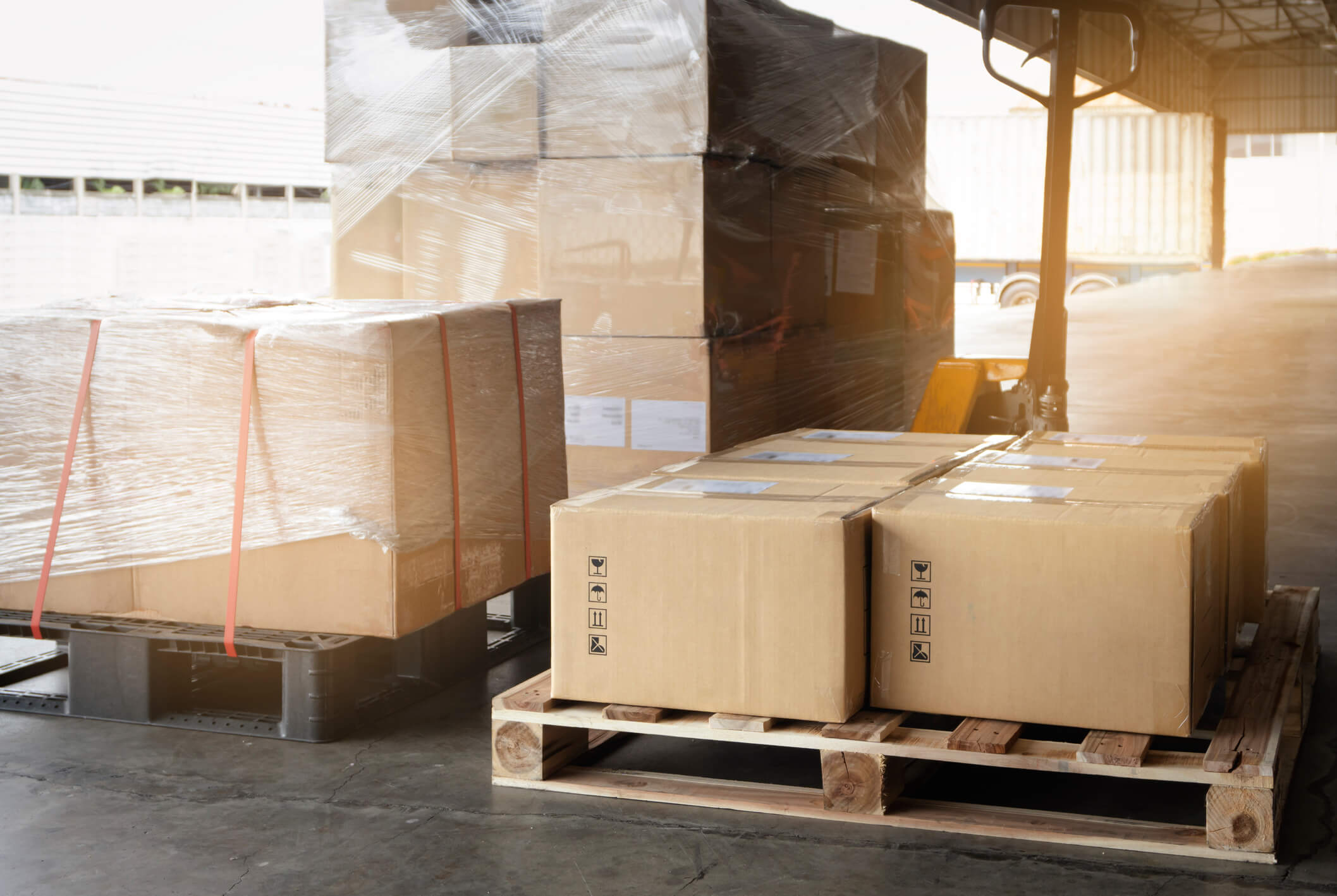
Recognizing when to use less-than-truckload or full truckload for your e-commerce business can improve efficiency, lower costs and handle higher order volumes.
Here are three signs it’s time to switch.
- Weight: Shipments consistently exceed 150 pounds, making palletized freight a more efficient option.
- Volume: Sending multiple shipments to a single destination creates an opportunity to consolidate into palletized loads.
- Cost: Shipping expenses have increased, prompting a shift toward more efficient freight solutions.
LTL vs. FTL for E-Commerce — Which Is Better?
As e-commerce continues to grow — now accounting for 16.4% of total sales in the U.S. — choosing a shipping strategy is pivotal to maintain efficiency and meet customer expectations.
LTL and FTL serve different purposes, depending on shipment size, timing and level of control.
Less-Than-Truckload
With LTL, your shipment shares space with other freight. You only pay for the portion of the truck you use, making it a practical option for shipments that are too large for parcels but do not require a full truck.
Full Truckload
When you use FTL shipping, your shipment fills the entire truck, allowing for a more direct route from pickup to delivery.
What freight method do e-commerce companies use? This comparison highlights which methods work with a comprehensive shipping strategy.
| Parcel vs. ltl vs. ftl comparison | |||
| Factor | Parcel Shipping | LTL Freight | FTL Freight |
| Weight | Small packages | 150 pounds or more | Large shipments/full truck |
| Cost model | Per package | Pay for space used | Flat rate per truck |
| Speed | Fast for small orders | Moderate transit time | Faster, direct delivery |
| Handling | Minimal | Multiple touch points | Limited |
A Practical E-Commerce Freight Cost Analysis
Since most consumers are unwilling to pay an extra delivery fee to get their orders a day sooner, you must find ways to provide a positive customer experience while keeping delivery costs manageable.
Freight pricing is more structured than parcel shipping. Once you understand the core components, it becomes easier to evaluate your options and plan effectively.
Freight class, weight and density drive LTL pricing. For shipments that take up between one to six pallets, LTL shipping provides a more balanced approach between cost and flexibility.
FTL typically has a higher total cost. However, the per-pound cost for large shipments can sometimes be lower than LTL, so your freight choice should reflect the goods you’re shipping.
Another consideration is accessorial charges. Additional services such as liftgate delivery, residential drop-offs or limited-access locations can all influence the final cost. Prepping for these allows for more accurate budgeting.
Balancing Shipping Speed and Cost in Your Logistics Strategy
Shipping decisions often require weighing delivery speed against cost efficiency. As your e-commerce business grows, aligning these two factors can boost customer satisfaction and operational control.
FTL shipments typically move directly from pickup to destination, requiring shorter transit times. LTL shipments involve shared capacity, making them a longer but more cost-efficient option, depending on what you ship.
Choose based on the purpose of each shipment:
- Use LTL for predictable, recurring shipments such as inventory restocking or supplier deliveries.
- Use faster, dedicated options, such as FTL, when working against tight timelines.
- Consider using expedited freight shipping when speed is a priority.
By matching your shipping method to your operational needs, you can maintain efficiency while continuing to deliver reliably.
Expanding Your Reach With International Shipping
International shipping is the next frontier for your successful e-commerce brand, extending your reach to serve a broader customer base. Similar principles apply, including consolidating shipments to save money, just with different models.
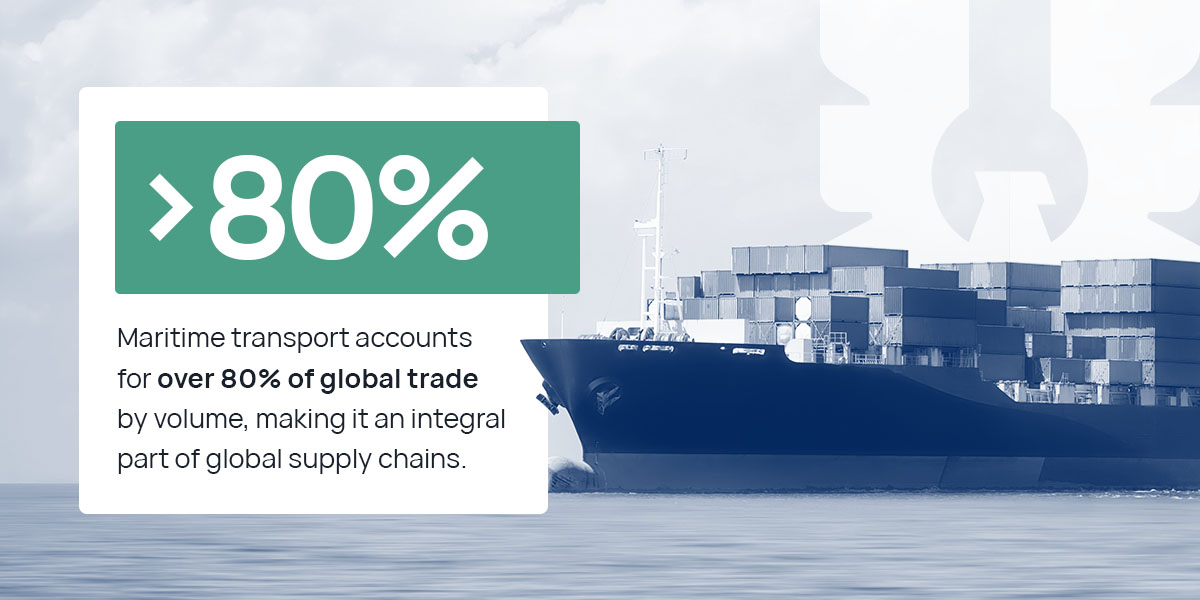
Ocean and air freight are the primary modes used for international shipments. Maritime transport accounts for over 80% of global trade by volume, making it an integral part of global supply chains. For smaller shipments, less-than-container load is the overseas equivalent of LTL.
However, international shipping adds complexity. You must pay customs duties, follow regulatory requirements and keep detailed documentation. Working with an expert logistics partner can help keep international shipments moving smoothly and avoid delays.
Frequently Asked Questions About E-Commerce Freight
As your shipping strategy evolves, it’s natural to have questions about when to use different freight methods and how to apply them effectively. Understanding these considerations helps you build a logistics strategy that enables your long-term growth.
What’s the Best Freight Option for Online Stores?
That depends on size and frequency. LTL is often the most practical choice for palletized shipments that don’t require a full truck.
How Can I Ship Bulk Inventory to Fulfillment Centers?
Companies typically ship bulk inventory to fulfillment and distribution centers using palletized freight.
Is It Possible to Reduce E-Commerce Shipping Costs?
Consolidating shipments, improving package density and selecting the appropriate freight method for each load can all help you manage your budget.
What Is the Cheapest Way to Ship to Warehouses?
For many shipments, LTL offers a cost-efficient solution by allowing you to pay only for the space you use. For larger volumes, FTL may be cheaper per pound.
How Should I Manage Inbound Freight for E-Commerce?
Managing inbound freight involves coordinating supplier shipments, choosing suitable freight methods and maintaining visibility over delivery schedules.
How Do I Ship to an Amazon FBA Warehouse?
Palletized freight is the most effective approach. LTL allows you to consolidate inventory into structured shipments that align with fulfillment center receiving requirements.

Take Control of Your E-Commerce Shipping Strategy
Tactically managed freight is a powerful growth driver. However, achieving your goals takes time, coordination and a realistic understanding of your options.
Partnering with an experienced logistics provider will give you a competitive edge. Phoenix Logistics helps e-commerce businesses master specialized freight solutions, providing the expertise you need to keep pace with rising demand.
If you’re ready to refine your shipping strategy, get a live rate using our tool today or contact us for more information. We’ll help you find a solution that fits your business.