
The Ultimate Guide to Food and Beverage Shipping
Smooth, reliable shipping is the backbone of the food and beverage industry. Every shipment demands careful planning, secure handling and expert coordination to arrive on time and in excellent condition.
Efficient logistics ensures that businesses meet delivery schedules while maintaining product quality at every step. With the right logistics partner, shipping becomes a strategic advantage, keeping products moving, customers satisfied and businesses growing.
What Is Food and Beverage Logistics?
Food and beverage logistics is the movement of products from suppliers to customers. However, shipping food and beverages isn’t like moving other types of freight — these shipments require an extra level of attention to detail. This includes handling, packaging and correct documentation to maintain product integrity and meet regulatory requirements.
It’s never been more important to implement effective food and beverage shipping strategies. In 2025, the global food logistics market was valued at $318 billion, and it is set to grow to $470 billion by 2035. Having a logistics provider by your side can help small and growing businesses adapt to this rising demand.
Types of Food and Beverage Products and Shipping
Different food and beverage products have unique needs that affect how they are shipped. For example, some products can be safely stored at room temperature, while others require careful temperature control to maintain quality and safety throughout transit. Understanding these differences is key to running strategies that benefit both your business and customers.
Shelf-Stable Products
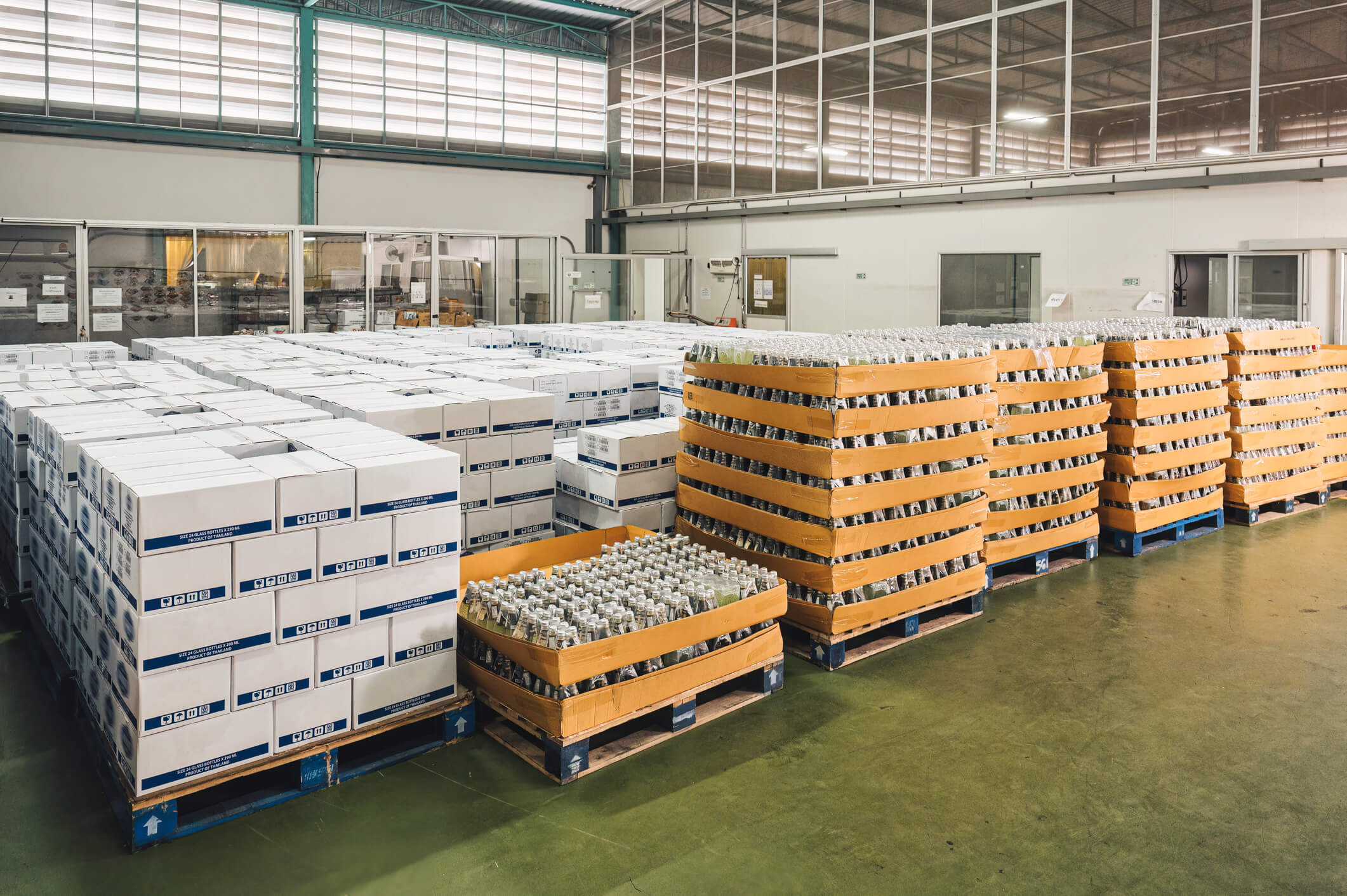
Non-perishable goods are generally easier to transport, requiring less specialized equipment. However, they still need careful handling to ensure they arrive safely and meet customer expectations.
Essential elements for transporting shelf-stable goods include:
- Using secure packaging to prevent damage.
- Applying proper labelling for traceability.
- Monitoring handling conditions to ensure quality.
Even without temperature control, applying food and beverage shipping best practices ensures that products reach their destination in excellent condition.
Regulated Beverages
Alcohol and other regulated beverages have additional requirements beyond standard handling practices. Key considerations include:
- Maintaining compliance with federal and state regulations, particularly for overseas shipments.
- Using protective packaging to prevent breakages.
- Managing temperature exposure for sensitive products.
Following these best practices helps businesses ship beverages safely without breakage and ensures compliance with all regulatory standards.
Refrigerated and Frozen Products
Some products require temperature-controlled shipping to maintain freshness and safety. Refrigerated items need consistent cool temperatures, while frozen goods require sub-zero conditions throughout transit.
Important steps for temperature-controlled shipping include:
- Using reefer trailers to maintain cold-chain integrity.
- Monitoring temperature to maintain safety standards.
- Using secure packaging to protect products during their journey.
Catering to all these factors helps ensure your chilled or frozen goods remain in top condition from A to B.
Regulations and Compliance for Food and Beverage Shipping
Different products fall under varying legal requirements. Understanding which products must comply with which laws is essential to successful food and beverage logistics.
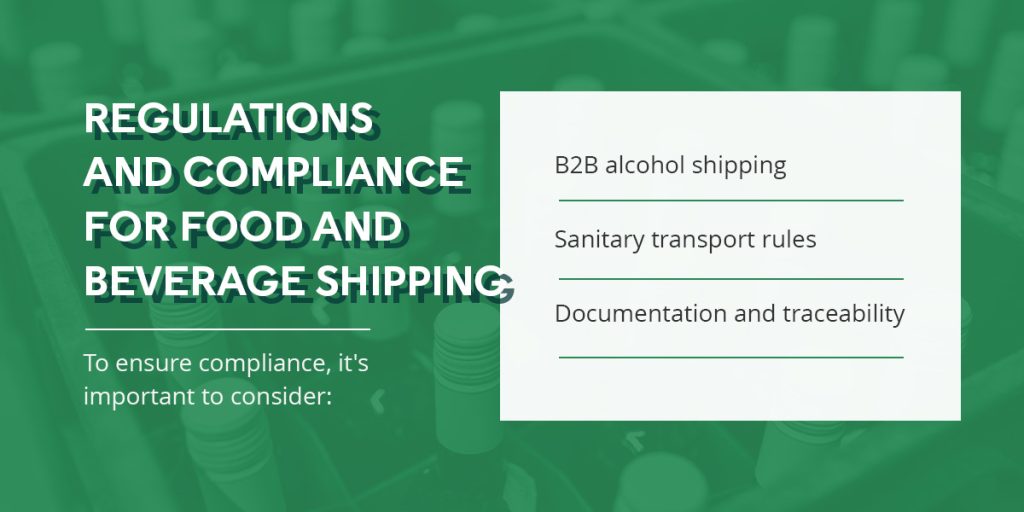
To ensure compliance, it’s important to consider:
- B2B alcohol shipping: Alcohol shipments must include relevant permits and up-to-date recordkeeping.
- Sanitary transport rules: All products must be handled and stored in accordance with hygiene standards to prevent contamination.
- Documentation and traceability: Accurate temperature logs and proper labeling must adhere to Food and Drug Administration (FDA) standards.
Following the best practices for food and beverage shipping reduces the risk of spoilage, recalls or fines, while supporting reliable delivery throughout the supply chain.
Packing and Palletization Best Practices
Food and beverage products need to be protected during every stage of transit to arrive at their destination safely.
Best packaging and shipping practices include:
| Best Practice | What to Do |
|---|---|
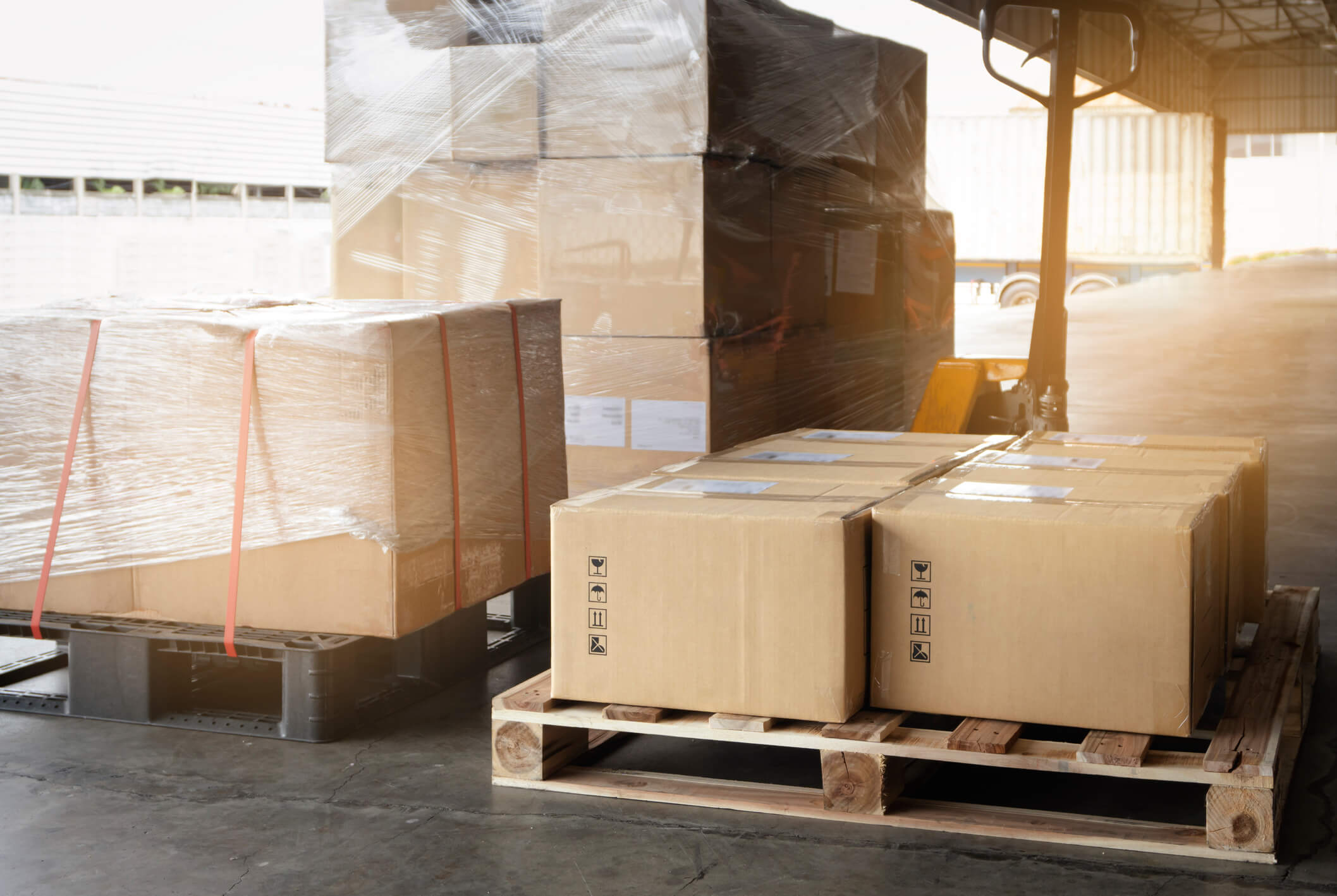
| Secure palletization | Arrange products on pallets to prevent shifting and provide stability. |
| Protective packaging | Use durable boxes, shrink wrap and cushioning to prevent breakage. |
| Labeling and documentation | Maintain clear labels and proper paperwork to ensure shipments are handled correctly. |
| Temperature-sensitive protection | Ensure that chilled or frozen goods remain at the correct temperature with proper insulation. |
| Multilocation shipping | Coordinate deliveries across multiple destinations to support growing businesses. |
By following these best practices, businesses can minimize the risk of loss or damage while meeting regulatory standards and delivery windows.
Food and Beverage Shipping Risk Management and Quality Control
Effective risk management helps to prevent issues before they arise, ensuring food and beverage shipments maintain their quality throughout the supply chain. By taking a proactive approach, businesses can protect products and uphold customer trust.
Key strategies for managing risks include:
- Monitor shipments: Real-time tracking and alerts for temperature changes allow for quick adjustments.
- Regular audits: Routine checks of shipping processes ensure compliance with regulatory standards.
- Clear documentation: Bills of lading, temperature logs and chain-of-custody records support traceability.
- Contingency planning: Alternative transportation options and clear response plans maintain timely delivery when conditions change.
- Claims management: Organized procedures for reporting and resolving issues help maintain transparency with partners and customers.
- Finance foresight: Understand cost drivers, including fuel and lane planning, to help optimize budgets.
Applying these risk management practices supports reliable delivery and product integrity. Strong risk management supports consistent operations as food and beverage shipping volumes grow.
Frequently Asked Questions About Food and Beverage Logistics
Explore these commonly asked questions and answers about food and beverage logistics:
- Do imported foods have additional shipping requirements? Yes, imported food and beverage products often have extra requirements to ensure compliance. This includes customs documentation, inspection protocols and temperature control measures. Working with an expert logistics partner ensures all of these requirements are met.
- How do I ship beverages safely without breakage? Shipping beverages requires careful packaging. Using secure palletization, sturdy bottles and cushioning materials reduces the risk of damage. Working with a logistics provider helps to support safe handling and reliable delivery, minimizing the risk of breakage.
- How do I choose a food-grade logistics provider? Choosing the right transportation partner starts with working alongside a logistics provider experienced in food and beverage freight. This ensures shipments meet product requirements and regulatory standards.
- How do seasonal spikes impact food freight pricing? Seasonal spikes affect different products at different times of year, driving higher demand. In turn, this can influence shipping costs. Consolidating shipments is one way businesses can navigate seasonal spikes effectively.
- How to choose a food and beverage 3PL provider? A 3PL provider will manage your entire supply chain, so it’s important that you choose wisely. Working with a logistics provider that has experience with your product type, compliance expertise, and cutting-edge tracking and reporting technology can ensure your products arrive safely.
Simplify Your Food and Beverage Shipping
Navigating the complexities of food and beverage shipping doesn’t have to be a challenge. With the right partner by your side, logistics can become a structured, reliable part of your day-to-day operations.
Phoenix Logistics supports a full range of freight solutions, including LTL (dry goods), van, flatbed and refrigerated freight, as well as heavy haul, overdimensional and international shipping. We make shipping simple — helping your products reach their destination safely, whatever the method.
If you’re looking to simplify your food and beverage logistics, contact us to get a no-obligation quote today. We’re here to help your business ship with confidence.