

Small Business Freight Shipping Tips
Small Business Freight Shipping Tips
Logistics management is an essential responsibility many small business owners take on when scaling up. As you expand your operations and more customers place orders, you’ll naturally outgrow parcel shipping through leading national carriers. Freight shipping is often a safer, more economical and professional choice. Its robust load capacity lets you stack 500 units on a single pallet, rather than shipping 50 separate boxes via parcel shipping.
Though becoming a freight shipper can feel intimidating, mastering it can benefit your business by helping you grow while protecting your margins. Use these small business shipping tips to develop a shipping strategy for growth.
1. Know Your Freight Class Inside and Out
Unlike parcel shipping, less-than-truckload freight shipping costs depend on the freight class or National Motor Freight Classification codes, set by the National Motor Freight Traffic Association. These 18 classes apply to packages that travel across our country’s interstate, intrastate and foreign shipments. The freight class system ranges from Class 50, the densest and most affordable, to Class 500, the most expensive and least efficient.
How to Determine Freight Class
The 18 freight classes create a common ground between shippers and carriers, simplifying the comparative evaluation of millions of daily shipments.
Determining your freight class begins by understanding the four primary factors used to calculate a commodity’s transportability. Use this knowledge as a beginner’s guide to LTL freight.
| Freight Class Factor | What It Means |
|---|---|
| Density | How much space an item occupies relative to its weight. High‑density freight generally ships at a lower class because it uses space efficiently, while low‑density items take up more room and fall into higher classes. |
| Stowability | How well the freight fits within a trailer alongside other goods. Irregularly shaped items that are difficult to stack or restricted by industry regulations are harder to stow and may receive a higher class. For instance, the FDA prohibits grouping food or pharmaceuticals in the same shipments as objects with engines. |
| Handling | The effort and equipment required to move the freight safely. Oversized, fragile or unusually heavy items demand more care, which can increase the class. |
| Liability | The risk associated with transporting the item. Perishability, fragility or the presence of hazardous materials all raise liability and can influence the assigned class. |
To figure out your freight class, you must calculate shipment density by dividing the weight in pounds by the volume in cubic feet. Afterward, look at the standard NMFC density chart and confirm that it matches. Because misclassifications are among the most frequent reasons for bill adjustments, our detail-oriented team at Phoenix Logistics will double-check your density calculations and ensure your quote is accurate before the truck even arrives.
2. Master Packaging and Palletizing
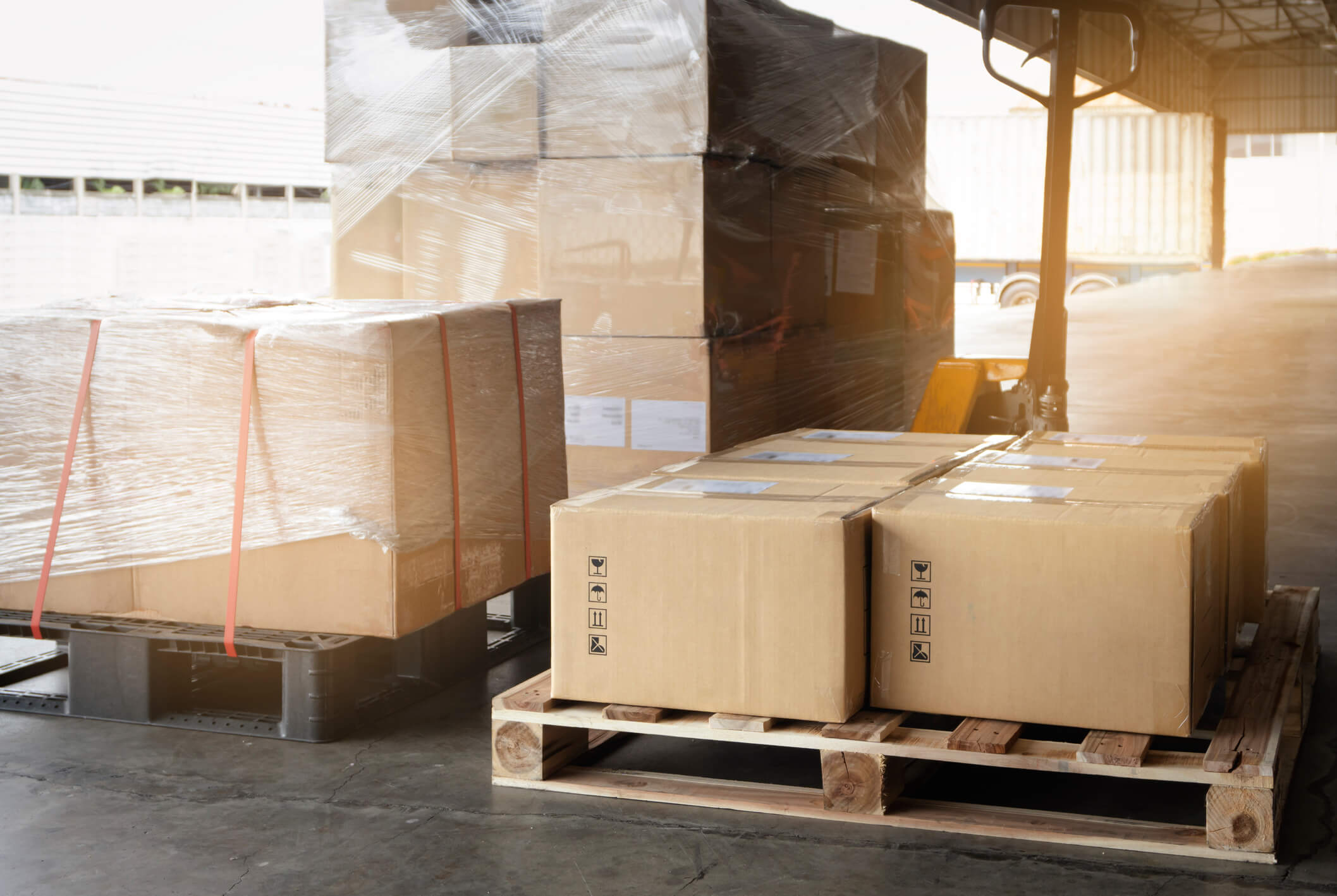
Unsecured items will shake and rattle as freight trucks travel over bumpy roads. Careful packaging ensures your commodities survive shipping. For instance, instead of loose cartons, use shrink-wrapped 40-by-48 pallets with no overhang to ensure package security.
How Many Pallets Typically Qualify for LTL?
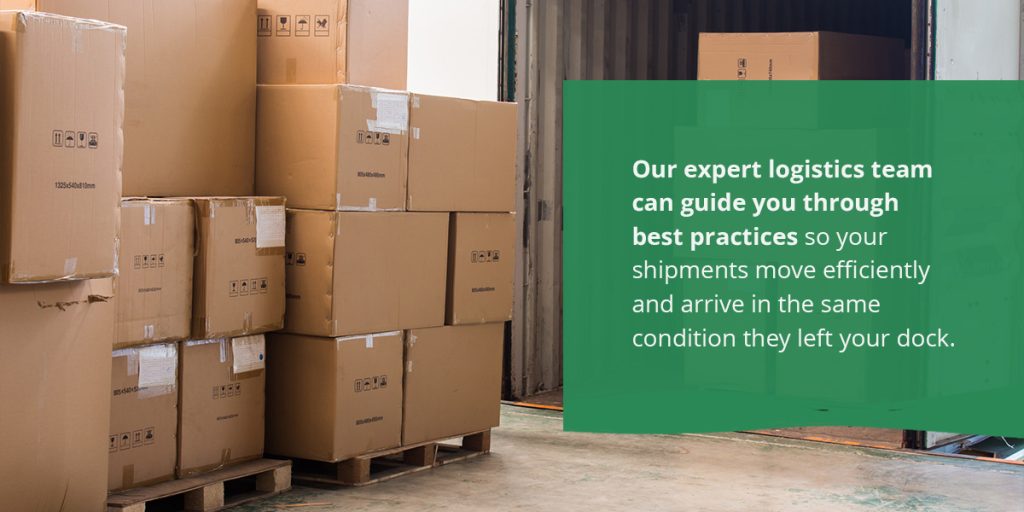
If you’ve narrowed down LTL as the best shipping method for small business but still aren’t sure if you should ship LTL or FTL, consider your volume. LTL is generally a better fit for smaller loads — typically, between one and six pallets — that don’t fill an entire trailer. It may be more cost-effective to book full truckloads if your shipments routinely exceed that range.
Because pricing depends on how efficiently your freight uses space, packaging strategies that maximize density are essential. Well‑stacked pallets help you avoid paying for unused trailer space. Our expert logistics team can guide you through best practices so your shipments move efficiently and arrive in the same condition they left your dock.
3. Understand Accessorial Fees Before You Book
Carriers often charge extra fees called accessorials for services beyond standard dock‑to‑dock pickup and delivery, and these charges frequently catch business owners off guard. Understanding how accessorials work and when they apply is one of the most effective ways to reduce shipping costs as a small business.
They include:
- Liftgate service fees if you lack a loading dock
- Residential delivery fees for homeowners
- Additional charges associated with bringing items inside a building
- Reclass fees if the freight’s class differs from the bill of lading
Phoenix Logistics values transparency. We will ask about your needs and expected price up front to confirm they align.
4. Prioritize Carrier Reliability Over the Lowest Price
Choosing the lowest rate may benefit your bottom line, but consistently selecting the cheapest option can backfire. Discounted LTL quotes often come with trade‑offs that far outweigh the initial savings, such as longer transit times, limited service options and higher risk of damage.
So, what is the average cost of an LTL shipment? Pricing varies significantly by lane, freight class, density and accessorial needs, so there’s no definitive answer to this question. However, focusing on cost alone can lead to service issues that disrupt your supply chain and erode customer trust.
When evaluating logistics partners, prioritize carriers with a consistent track record of dependable performance. A reliable provider helps you avoid damaged freight, missed delivery windows and unexpected fees — benefits that matter far more in the long run than shaving a few dollars off the quote.
Start Shipping Smarter With Phoenix Logistics
Are you a small business owner looking to level up your logistics system? Phoenix Logistics prioritizes a personalized approach that perfectly fits your business’s needs while still being cost-effective. Whether you cater to local customers or nationwide clients, you can trust us to deliver your valuable shipments with utmost care, transparency and efficiency. From the consultation process to the day the truck picks up your goods, we are always available to answer your questions and save you money.
Make freight shipping easy by partnering with us. Fill out our contact form to get a no-obligation quote now, or call us at 317-926-8000 for more information.