

How to Ship LTL Freight
Less-than-truckload freight shipping can give small and medium-sized businesses access to brand-new markets and business opportunities. Understanding how to ship LTL freight is essential to avoid unexpected, costly errors.
What Is LTL Shipping?
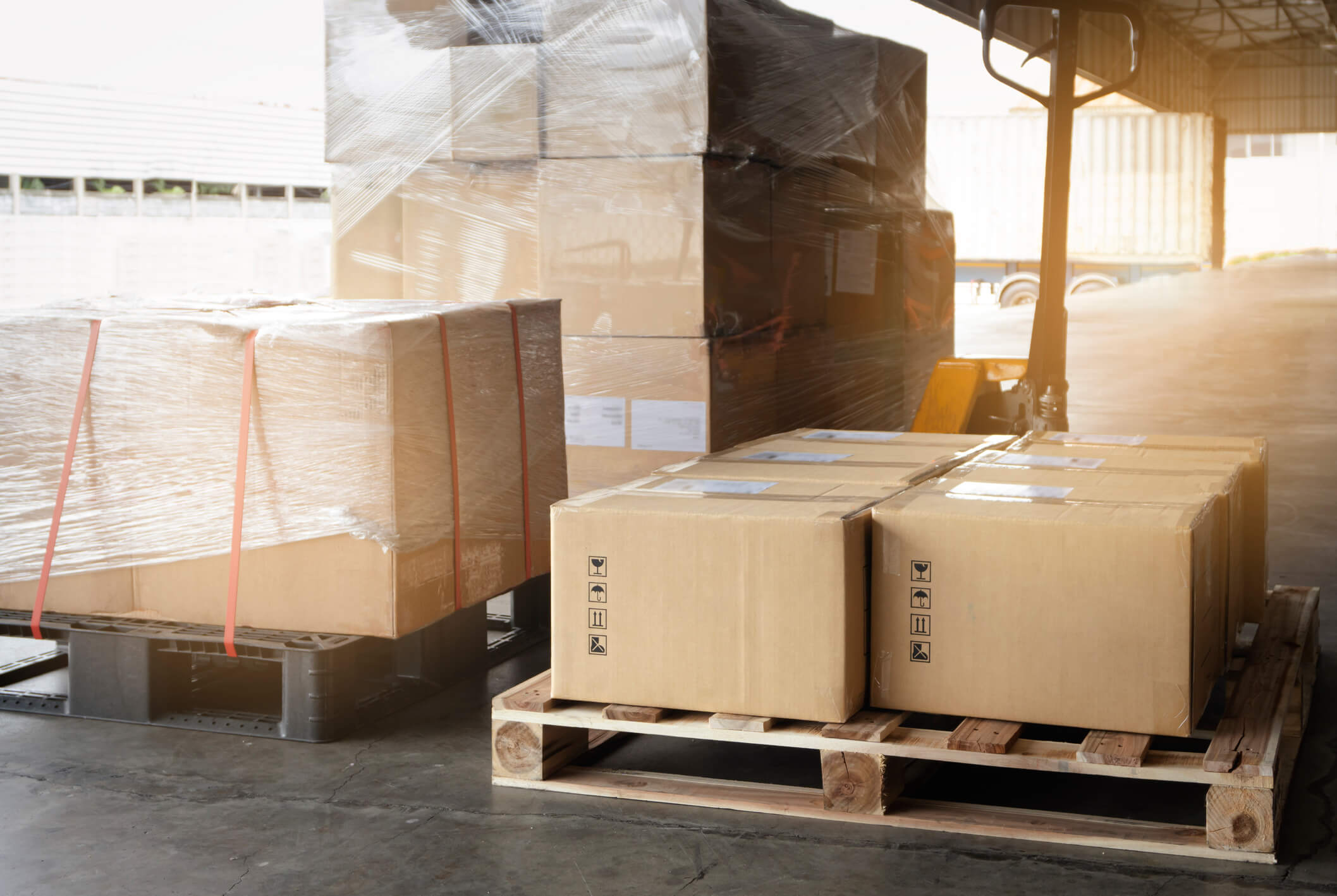
LTL shipping is a logistics solution typically used by SMBs. It involves consolidating smaller shipment items from multiple businesses into a single truck. While standard parcel shipping weight limits cannot exceed 150 pounds per package, LTL shipping cargo sizes can range from 150 to 10,000 pounds per shipment.
The Benefits of LTL Freight Shipping
Using LTL freight shipping services offers many benefits to organizations transporting smaller consignments. These combined advantages are crucial for businesses looking to enter new markets and deliver goods quickly.
- Cost efficiency: Sharing truck space saves money. You’ll only pay for the space your cargo occupies, not the entire truck.
- Flexibility: You don’t have to wait until you have sufficient cargo to fill a truck. Instead, you can ship smaller, more frequent loads and get goods to your customers sooner.
- Environmental impact: Transportation-related gas emissions account for 28% of total U.S. emissions. Shared truck space supports lower emissions during transport.
Knowing how to ship freight across borders will give you realistic expectations while remaining compliant.
How Does Customs Clearance Work for Freight Shipping?
Customs clearance is mandatory when entering or leaving a country. It involves verifying the cargo through submitted documentation, paid duties and inspections. This information confirms the goods’ value, place of origin and intended destination.
Shipments will typically be subject to regulatory compliance checks and physical inspections to ensure the cargo complies with the freight regulations of its intended destination.
What Are the Different Cross-Border Freight Regulations?
Businesses using LTL freight services will typically encounter the following regulatory bodies. However, note that you may need to contend with other criteria or compliance requirements based on your intended destination and the specific products you ship.
- World Customs Organization: A global intergovernmental organization that develops tools and instruments for efficient customs administration. They created the Harmonized System, a standardized worldwide product classification framework for duties and taxes.
- U.S. Customs and Border Protection: The primary gatekeeper at all U.S. borders, the CBP enforces several American laws and regulations, acting on behalf of government agencies such as the EPA and FDA. They prevent illegally labeled or potentially dangerous goods from entering the country.
- Canada Border Services Agency: The CBP’s Canadian counterpart facilitates the smooth flow of legal trade to and from Canada. The CBSA typically has dedicated import and export requirements for businesses looking at how to ship freight to Canada.
While other criteria may be required depending on the cargo, these are considered standard best practices for cross-border shipping.
What Documents Do I Need for Shipping Freight?
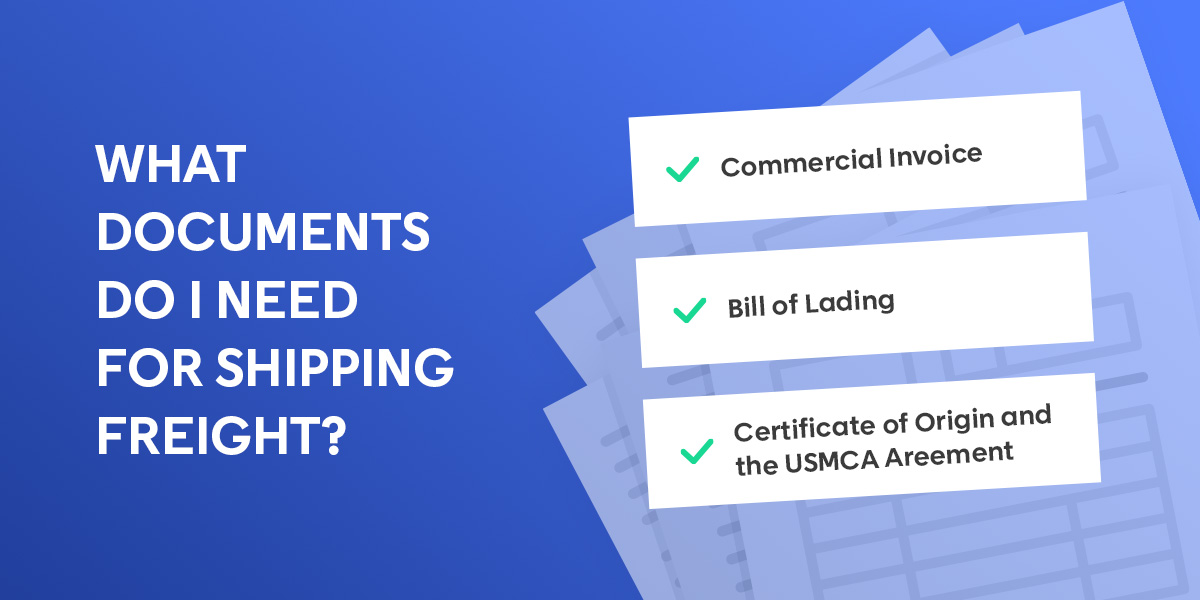
While each country has unique documentation requirements, you’ll need to present these three universal documents to clear customs for cross-border freight shipping.
1. A Commercial Invoice
Customs officials use commercial invoices to determine duties and taxes for almost all cross-border freight shipments. Commercial invoices should have a Harmonized System code, a statement of accuracy and a signature from an authorized person.
Your invoice must also include the following information.
- Seller/exporter and buyer/importer details: Full legal names, company names, addresses, contact numbers and applicable sales tax or VAT details.
- Shipper details (if different from buyer/seller): Full legal names and address of the recipient’s destination, including consignee information.
- Invoice number and date: Including purchase order numbers, terms of sale and an incoterm defining the buyer and seller’s responsibilities.
- Payment terms: When payment is due and who will pay it.
- Shipment details: The date of goods leaving, the port of export and the port of entry and the final shipment destination.
- Product descriptions: Detailed descriptions of the goods, country of origin and the number of units for each item.
- Weight information: The gross and net weight of the goods you are transporting.
- Value and currency: The per-unit price of each item, the total value of the goods and the currency of the transaction.
2. A Bill of Lading
A BOL is a legal contract between the shipper and carrier. It acts as a receipt for the cargo and is a legal agreement between the two parties. While a commercial invoice focuses on the transactional and detail elements of shipping, a BOL confirms the logistical details.
It acknowledges receipt of the goods and serves as a legal record of their transportation.
3. A Certificate of Origin and the USMCA Agreement
There’s a close relationship between a certificate of origin and the United States-Mexico-Canada Agreement. A COO is a document that certifies a product’s country of origin and determines the duties and taxes applied by the importing country. It’s also crucial for obtaining preferential duty treatment under free trade agreements such as the USMCA.
Without a valid COO, importers cannot access the reduced or zero tariffs offered by these agreements. It ensures compliance and supports the potential preferential treatment for qualifying goods among the three nations.
North American Trade Lanes
America’s two primary trade partners have other specifications for streamlined cross-border freight shipping:
- Canada: Canada may require additional documentation, such as the Canada Customs Invoice, which is the Canadian equivalent of a standard commercial invoice. This document is typically a requirement for commercial imports valued over CAD$2,500. The CBSA’s official customs coding and accounting document is the B3-3 Form, which you must complete for legal clearance through Canadian customs.
- Mexico: Mexican law requires you to use a licensed Mexican customs broker. This representative facilitates accurate documentation, such as the Pedimento Aduanal (Customs Declaration) and the Complemento Carta Porte (Waybill Complement), to authorize the legal entry or exit of goods.
Completing these documents lets you value, classify and properly calculate duties and taxes on the goods you ship. It also prevents long delays and potential noncompliance penalties.
How Much Does Freight Shipping Cost?
Cost-efficiency is an essential part of any small to medium-sized business plan. Specific freight shipping costs will vary due to the complexities of the destination’s LTL freight requirements. However, you can learn to manage the associated freight shipping costs.
The cost variables of LTL freight shipping include:
- Accessorial charges for limited-access delivery or reweighing cargo
- Customs inspection fees if officials choose to inspect your shipment
- Insurance costs to cover the value of the goods
- Documentation fees from custom brokers
- Storage costs for long journeys or delays due to documentation issues
- Packaging costs to withstand harsh transit conditions
- Currency exchange fees and associated currency fluctuations
Harmonized System codes will also affect how much freight shipping costs, as they directly determine applicable customs duties, taxes and regulatory compliance costs.
Common Freight Challenges and How to Overcome Them
Finding freight shipping solutions can be the difference between success and failure for your business.
- Costly delays: Inaccurate or incomplete documentation is the leading cause of customs holdups. Having legible, correct documentation reduces these risks.
- Lengthy transit times: It’s not easy to specify how long cross-border freight takes. Try to manage recipient expectations, citing quality and compliance with borders and customs authorities.
- Cargo damage concerns: Cross-border shipments are subject to more frequent handling than domestic ones. Prioritize sturdier packaging and clear labeling to reduce the risk of damage and loss.
The complexities of cross-border compliance and logistics can be intimidating. Consider working with a reputable logistics partner to protect your cargo investment. You’ll gain an expert team to take care of your compliance, documentation and transportation needs.
Simplify Your Shipping With Phoenix Logistics
Your small to medium business can go far with the right logistics partner. Phoenix Logistics simplifies your shipping through a combination of expertise, innovative systems and personalized attention to your needs. We’ve seen the problems that delays, hidden fees and poor communication cause businesses. It’s why we take pride in being a transparent MBE-certified partner that shippers trust with their investments.
Are you looking for cutting-edge solutions with a human, customer-focused service? Reach out for an instant and accurate freight quote or contact us to learn more.