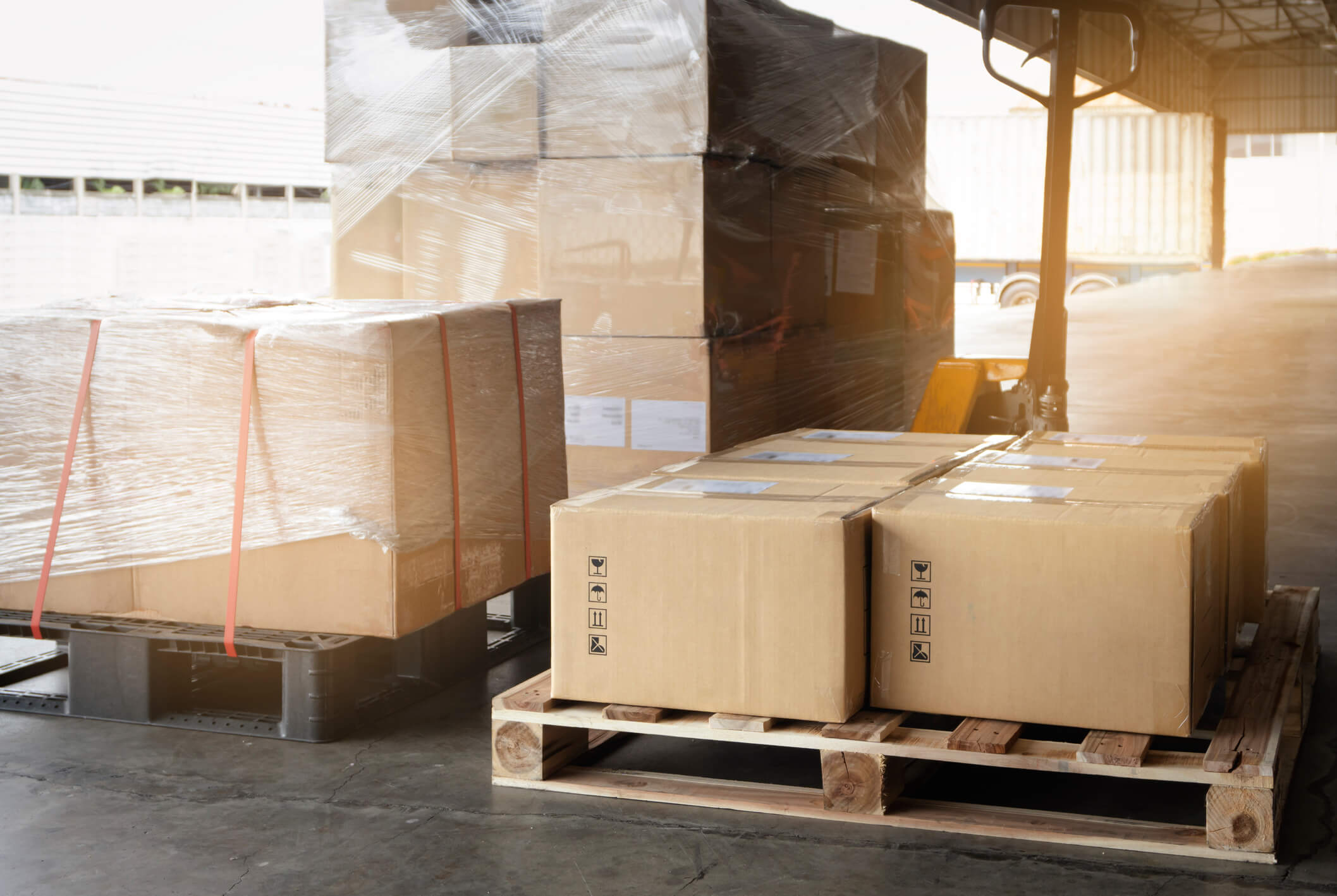


The Complete Guide to Shipping Construction Supplies
A single damaged pallet of tile or a late lumber delivery can stall an entire crew and derail a project budget. With the U.S. construction materials market projected to exceed $196 billion by 2032, the volume of freight moving to jobsites is massive, and the margin for error is thin.
This guide explains how to ship construction materials and building supplies safely, on time and on budget, turning a logistical challenge into a competitive advantage.
The Essentials of Packaging Construction Materials
The best way to package building materials for shipping depends on the material category. Every choice you make should address the primary risks, from in-transit movement, impact from handling and exposure to moisture.
- Lumber and sheet goods: A core skill is knowing how to palletize lumber for freight. Bundle lumber tightly with polyester (PET) or steel banding at 2-foot intervals, applying corner protectors to prevent the straps from cutting into the wood. For sheet goods like plywood or OSB, stack them flat on a pallet with all edges aligned before banding and stretch-wrapping the entire unit. Always ship drywall lying flat on a fully supported surface and wrap it tightly, as it is easily damaged by moisture and cannot support its own weight when placed on edge.
- Fixtures and fragile items: Protect high-value items like windows and doors by shipping them in custom wooden crates with internal bracing and closed-cell foam inserts. Ship glass panels vertically on A-frame racks to minimize stress, and use corrugated dividers to separate individual panes. Clearly label all surfaces with “FRAGILE” and “THIS SIDE UP,” as these instructions directly influence how handlers will orient and move the freight.
- Tiles, bricks and stone: Pack tiles in double-walled corrugated boxes with dividers, then stack them on a pallet in an interlocking, brick-lay pattern to maximize stability. Stabilize heavy masonry pallets with steel banding for any load over 2,000 pounds — shrink wrap alone will not prevent shifting. It’s also recommended that you use A-frame or L-shaped crating for natural stone slabs to keep them upright and prevent surface abrasion caused by in-transit vibration.
- Hardware, fasteners and small parts: When considering the packaging you’ll need for shipping hardware, consolidate all loose items into heavy-duty corrugated boxes, sorting individual hardware types into clearly labeled poly bags to prevent mixing. Always place hardware boxes on top of heavier, larger goods, never beneath them, where they can be crushed. As a final check, if you can hear a box rattle when shaken, it requires more void fill to prevent movement.
How to Secure Construction Materials on Pallets
Proper palletizing is the best way to ensure your shipment is handled safely and efficiently.
Start by selecting the right pallet for the job. Standard 48-by-40-inch hardwood GMA pallets work for most loads, but inspect every pallet for cracked boards or protruding nails that could damage the freight. Most importantly, keep all materials within the pallet’s footprint. Overhang is a leading cause of freight damage, as exposed edges can be scraped, caught or clipped during transit.
Next, distribute weight by placing the heaviest items at the bottom of the pallet and stacking upward in descending weight order. For example, on a mixed load, the bagged concrete goes on the bottom, boxed tile in the middle and cartons of hardware on top. Spreading the weight evenly across the pallet’s surface keeps the center of gravity low and centered, which is critical for stability.
Essential Load Securing Techniques
Secure your materials by combining several methods for maximum stability.
- Strapping: Use polyester (PET) strapping for most loads, as it retains tension while absorbing shock. Reserve steel strapping only for extremely heavy and rigid loads like masonry or steel beams. Always use edge protectors where straps contact corners to prevent them from cutting into your materials.
- Stretch wrapping: Apply three to five layers of stretch wrap around the entire load, anchoring the first pass to the pallet deck itself. This crucial step locks the load to the pallet base and prevents it from sliding off.
- Bracing: Fill any empty space or gaps between pallets in a trailer with dunnage airbags, lumber or foam blocks. Empty space allows for movement, which is how dangerous load shifting begins.
How to Prevent Damage to Construction Freight
The key to protecting building materials during transit is understanding the five predictable threats every shipment faces:
- Vibration: Constant road and engine vibration can loosen banding, cause fasteners to migrate out of packaging, and create abrasive wear between surfaces on long hauls.
- Impact: Sudden jolts from potholes, hard braking or rough forklift handling can crack tile, shatter glass and fracture rigid materials.
- Load shifting: Unsecured freight will slide and collide with trailer walls or other pallets during turns and stops, leading to impact damage.
- Compression: Stacking heavy freight on top of lighter items can crush the packaging and the materials inside. Compression is more of a risk in less than truckload (LTL) trailers, where you don’t control what is stacked on top of your shipment.
- Moisture: Exposure to rain, condensation and humidity can warp wood, corrode metal and cause drywall to crumble.
To weatherproof shipments, place a polyethylene top sheet over each pallet before wrapping. For highly moisture-sensitive materials, use a vapor-barrier wrap or add an inner poly layer for extra protection. You can also include desiccant packs inside crates of metal hardware, especially for shipments traveling through variable climates.
Choosing the Right Shipping Method for Construction Materials
The right shipping method depends on your shipment size, budget, timeline and material fragility. Understanding the trade-offs between each option helps you make the most cost-effective choice for your project needs.
| Shipping Method | Best For | Transit Time | Cost | Handling Risk | Key Benefits |
| Less Than Truckload (LTL) | Shipments under 6 pallets or 10,000 pounds | 3-7 business days | Lower up-front cost | Higher (multiple terminals) | Pay only for space used, good for regular small shipments |
| Full Truckload (FTL) | Large shipments, fragile materials, urgent deliveries | 1-3 business days | Higher up-front cost | Lower (direct delivery) | Faster transit, reduced handling and dedicated trailer |
| Expedited/Hot Shot | Emergency deliveries, critical path materials | Same day to 2 days | Highest cost | Lowest (minimal handling) | Speed, flexibility and direct delivery to the jobsite |
| Rail Freight | Bulk materials, nonurgent deliveries over 500 miles | 7-14 business days | Lowest for large volumes | Medium | Cost-effective for heavy bulk materials like lumber and steel |
You can also ship mixed construction materials. Pallets of lumber, hardware, fixtures and finishing materials are shipped together on LTL and FTL trucks every day. Palletize each material category separately according to its specific needs, follow the weight distribution principles, and ensure each pallet is independently secured before loading.
Build a Stronger Supply Chain With Phoenix Logistics
Proactive packaging, disciplined palletizing, accurate freight classification and choosing the right carrier are the keys to successful construction shipping. Mastering these steps transforms a major project risk into a source of reliability for your business.
At Phoenix Logistics, we specialize in the realities of construction freight. With a nationwide carrier network, transparent pricing technology and a dedicated team that understands jobsite deliveries, we help you eliminate the problems before they start. Use our tool today to compare rates instantly!